
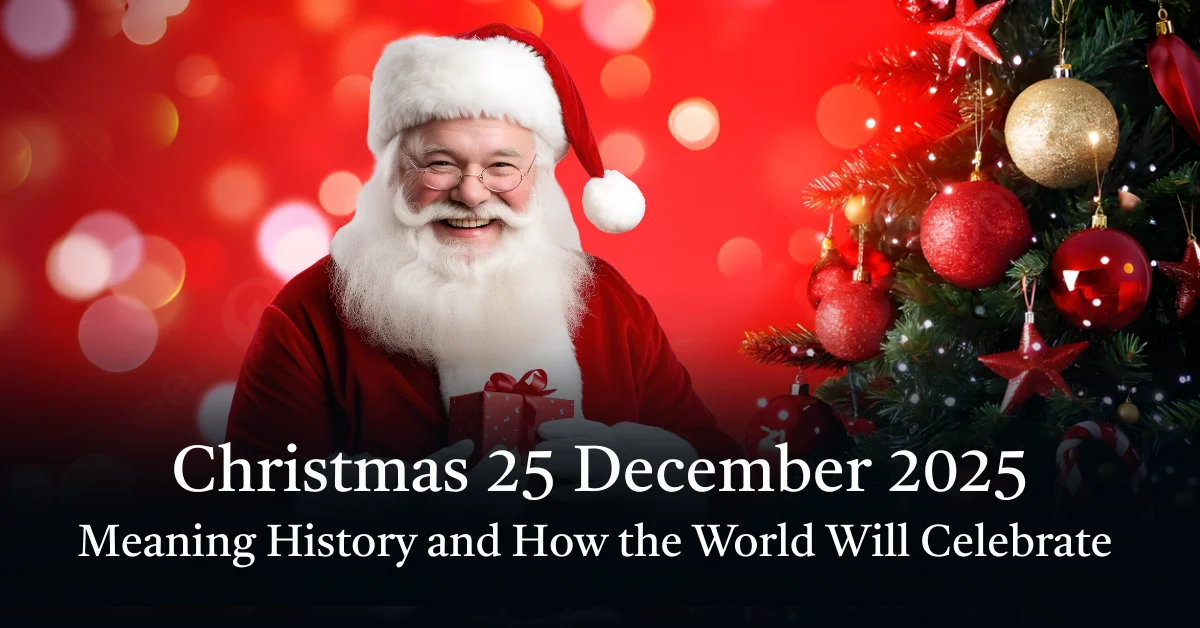
Christmas 25 December 2025
Christmas is one of the most widely celebrated festivals in the world, bringing together faith, tradition, family, and joy. In 2025, Christmas will once again unite people across cultures and continents as they celebrate the birth of Jesus Christ while also embracing modern customs that reflect changing times. From its deep religious roots to its global cultural influence, Christmas continues to evolve while preserving its core message of love, peace, and hope.
The Meaning of Christmas 2025
At its heart, Christmas celebrates the birth of Jesus Christ, whom Christians believe to be the Son of God and the Savior of humanity. The story of Christmas centers on humility and divine love, symbolized by the birth of Jesus in a stable in Bethlehem. For believers, Christmas is a reminder of compassion, forgiveness, and service to others.
In 2025, the meaning of Christmas extends beyond religious belief for many people. It has become a universal celebration of kindness, generosity, and togetherness. Families gather, communities support the less fortunate, and individuals reflect on gratitude and goodwill. In a fast paced world, Christmas offers a pause to reconnect with values that matter most.
Historical Origins of Christmas
The origins of Christmas date back more than two thousand years. While the Bible does not specify an exact date for the birth of Jesus, December 25 was chosen centuries later and became widely accepted by the fourth century. Early Christians aligned the celebration with existing Roman festivals, which helped spread the observance throughout the Roman Empire.
Over time, Christmas traditions developed across Europe and later spread to other parts of the world through trade, migration, and missionary work. Medieval celebrations included church services, feasting, and public festivities. By the modern era, Christmas had evolved into both a religious and cultural holiday, blending sacred rituals with local customs.
How Christmas Traditions Evolved Over Time
Christmas traditions have continually adapted to social and cultural changes. In earlier centuries, the focus was largely on religious observance, with midnight masses and nativity plays forming the centerpiece of celebrations. As societies modernized, family centered traditions such as gift giving, decorating homes, and festive meals became more prominent.
The figure of Santa Claus emerged from the legend of Saint Nicholas, a generous Christian bishop known for helping the poor. Over time, Santa Claus became a global symbol of Christmas joy, especially for children. By 2025, Santa remains a beloved figure, representing generosity and childlike wonder across cultures.
Christmas 2025 Celebrations in Europe
In Europe, Christmas 2025 will reflect a blend of centuries old customs and modern celebrations. Countries like Germany, Austria, and Switzerland will host traditional Christmas markets filled with lights, music, handmade crafts, and seasonal foods. Churches will hold special services, and families will gather for festive dinners featuring regional dishes.
In the United Kingdom, Christmas Day traditions include gift exchanges, holiday meals, and charitable activities. Carol singing and community events continue to play an important role. Across Europe, the emphasis remains on warmth, family bonding, and honoring cultural heritage.
Christmas Celebrations in the Americas
In North and South America, Christmas 2025 will be celebrated with enthusiasm and diversity. In the United States and Canada, decorations, Christmas trees, and gift exchanges dominate the season. Families often attend church services, followed by gatherings centered on food and shared traditions.
Latin American countries combine Christian rituals with vibrant cultural expressions. Festivities may include reenactments of the nativity story, music, dancing, and extended family celebrations. In many regions, Christmas celebrations continue through early January, reflecting deep rooted customs.
Christmas 2025 in Asia and Africa
In Asia, Christmas is celebrated both as a religious festival and a cultural event. Countries with significant Christian populations, such as the Philippines and parts of India, will observe Christmas with church services, decorations, and community gatherings. In other regions, Christmas is embraced as a festive season marked by lights, shopping, and social events.
Across Africa, Christmas 2025 will be celebrated with church worship, music, dance, and communal meals. In many communities, the emphasis is on sharing resources and supporting those in need. Christmas becomes a time of unity and gratitude, deeply connected to local traditions.
Modern Influences on Christmas 2025
Technology and globalization have significantly shaped how Christmas is celebrated today. In 2025, digital communication allows families separated by distance to connect through video calls and online gatherings. Social media spreads festive messages and traditions across borders, creating a shared global experience.
Sustainability has also become an important theme. Many people are choosing eco friendly decorations, mindful gift giving, and charitable donations. Christmas 2025 reflects growing awareness about environmental responsibility while preserving festive joy.
Food and Festive Traditions Around the World
Food plays a central role in Christmas celebrations worldwide. Traditional meals vary widely, from roasted meats and baked goods to vegetarian and regional specialties. Sharing a meal symbolizes togetherness and abundance.
In some cultures, Christmas Eve holds greater significance than Christmas Day, with elaborate dinners and rituals. In others, festive meals extend over several days. Regardless of location, food remains a powerful expression of celebration and hospitality.
The Spirit of Giving and Charity
One of the most enduring aspects of Christmas is the spirit of giving. In 2025, charitable initiatives will continue to be a key part of the season. Individuals and organizations donate food, clothing, and resources to support vulnerable communities.
Acts of kindness, both large and small, define the true essence of Christmas. Volunteering, supporting local causes, and helping neighbors reinforce the values that Christmas represents.
Why Christmas Still Matters in 2025
Despite changes in how it is celebrated, Christmas remains deeply meaningful. It brings people together across religious, cultural, and national boundaries. The themes of hope, peace, and love resonate strongly in a world facing constant challenges.
Christmas 2025 will remind people of shared humanity and the importance of compassion. Whether observed as a religious holiday or a cultural celebration, Christmas continues to inspire connection and goodwill.
Leave a Reply